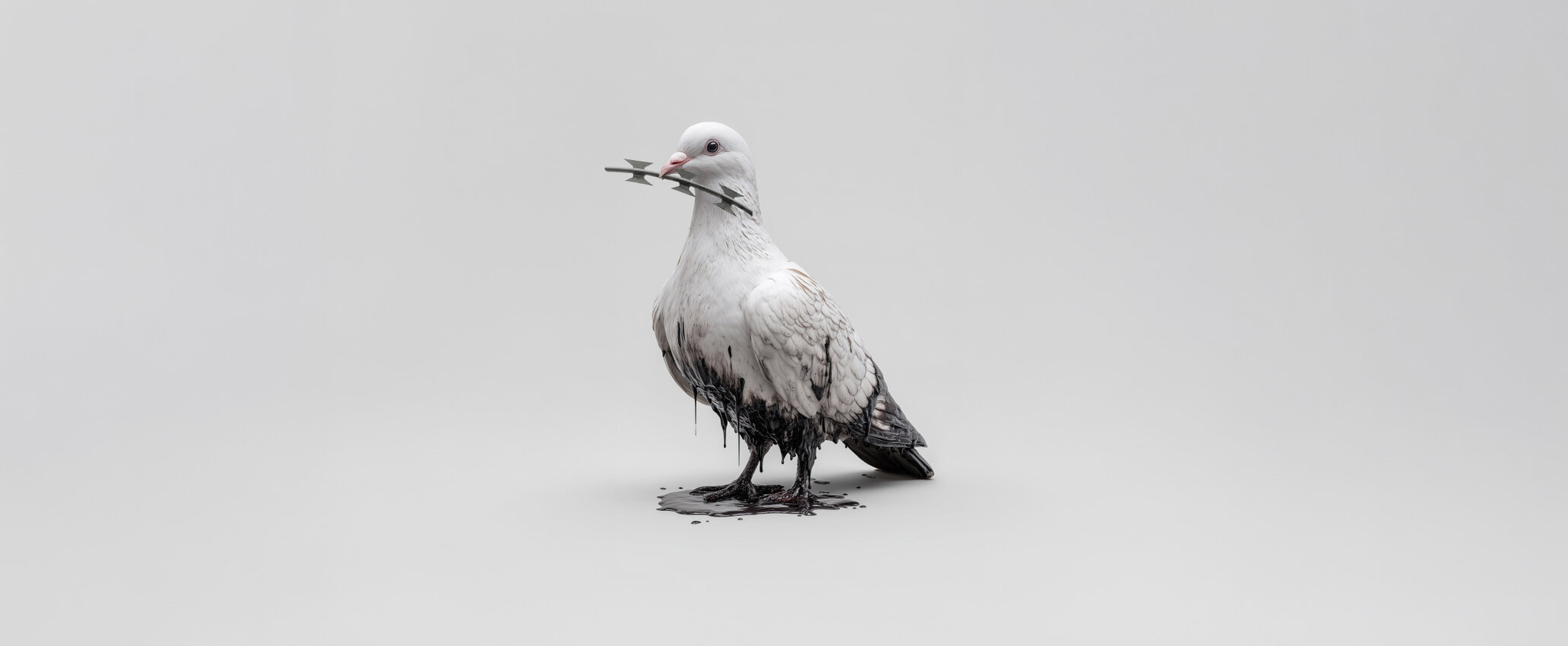

Why do so many people become refugees? With a legendary European journalist, I investigate the long-term effects of western interference in countries where war never ends.
Festivals


News
Theatrical release in Switzerland
German-Speaking Switzerland February 18, 2027
Previews starting on February 8, 2027
French-Speaking Switzerland March 3, 2027
Previews starting on February 20, 2027
Film distribution in Switzerland MovieBiz Films:





Synopsis
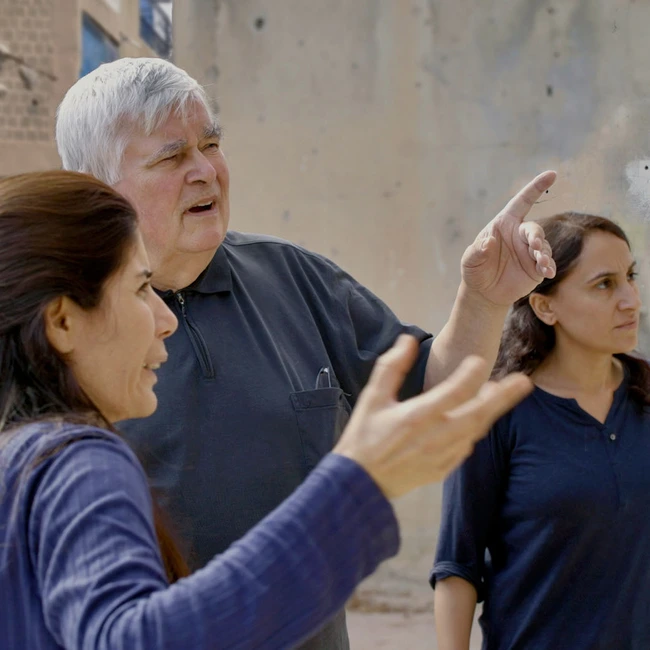
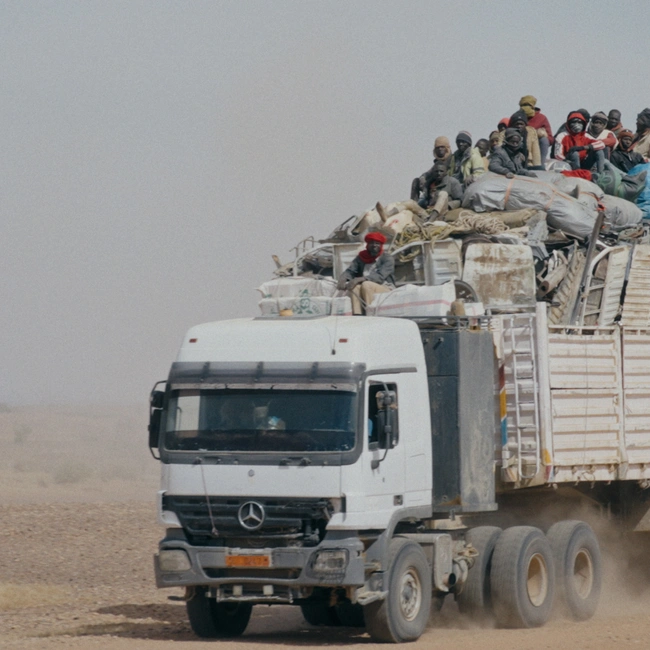
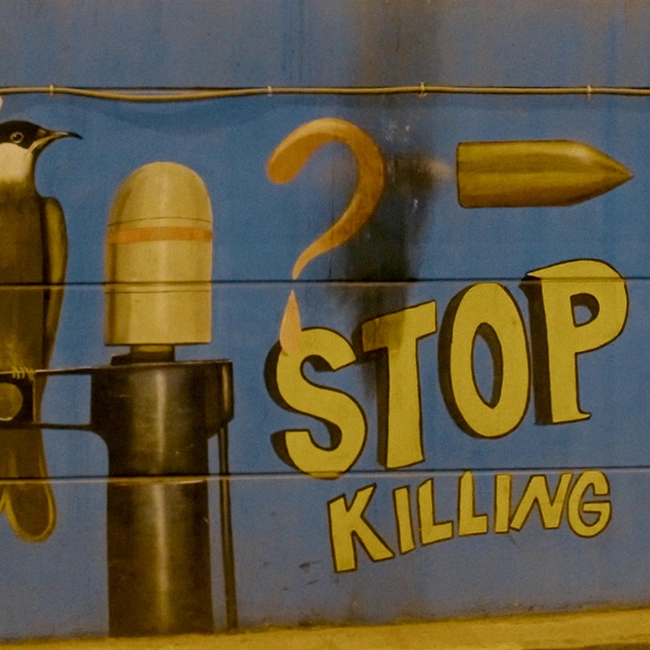
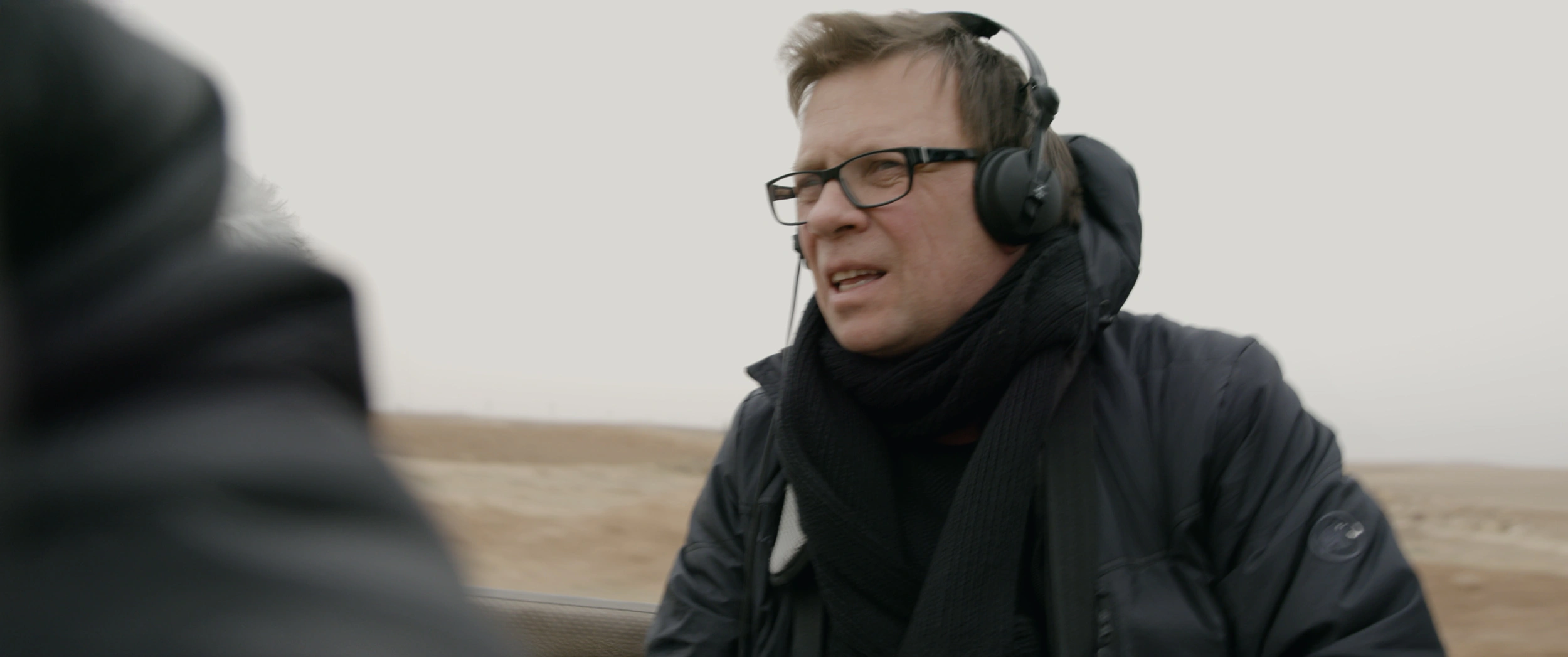
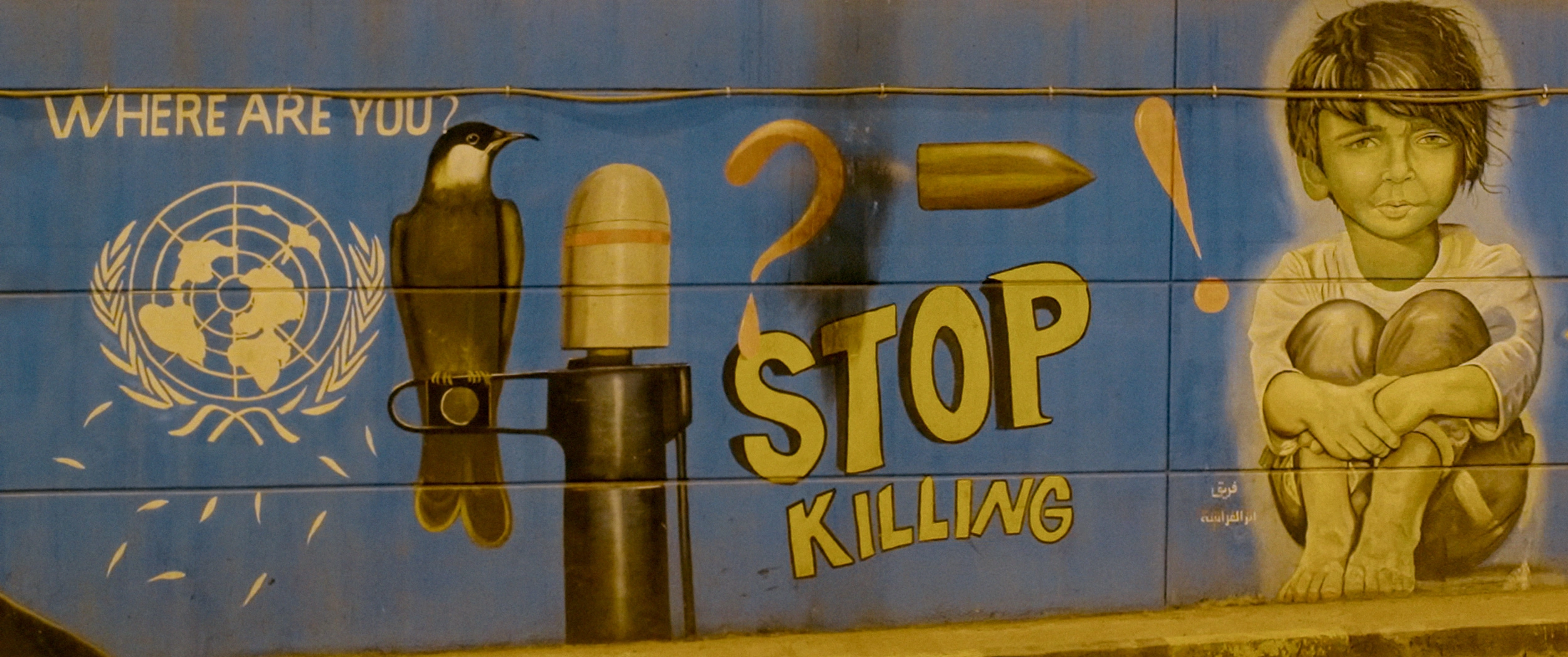
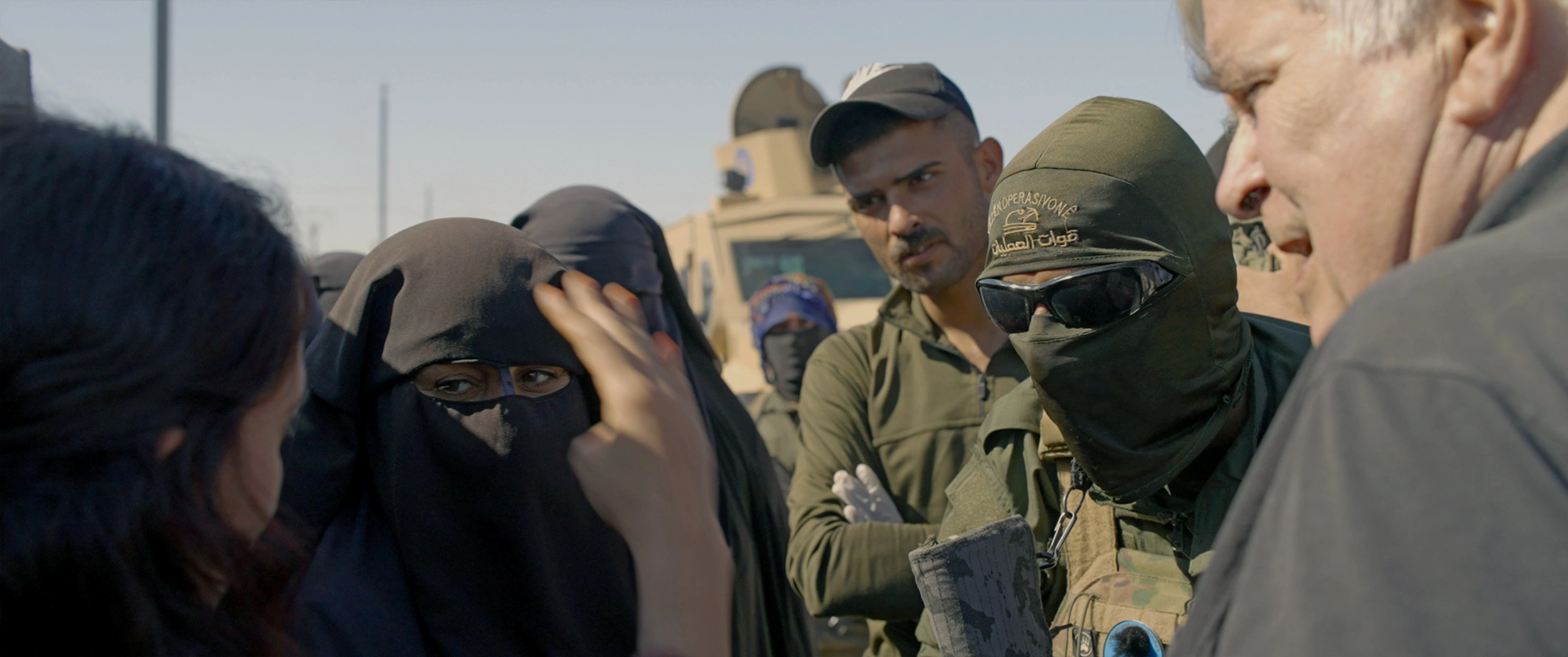
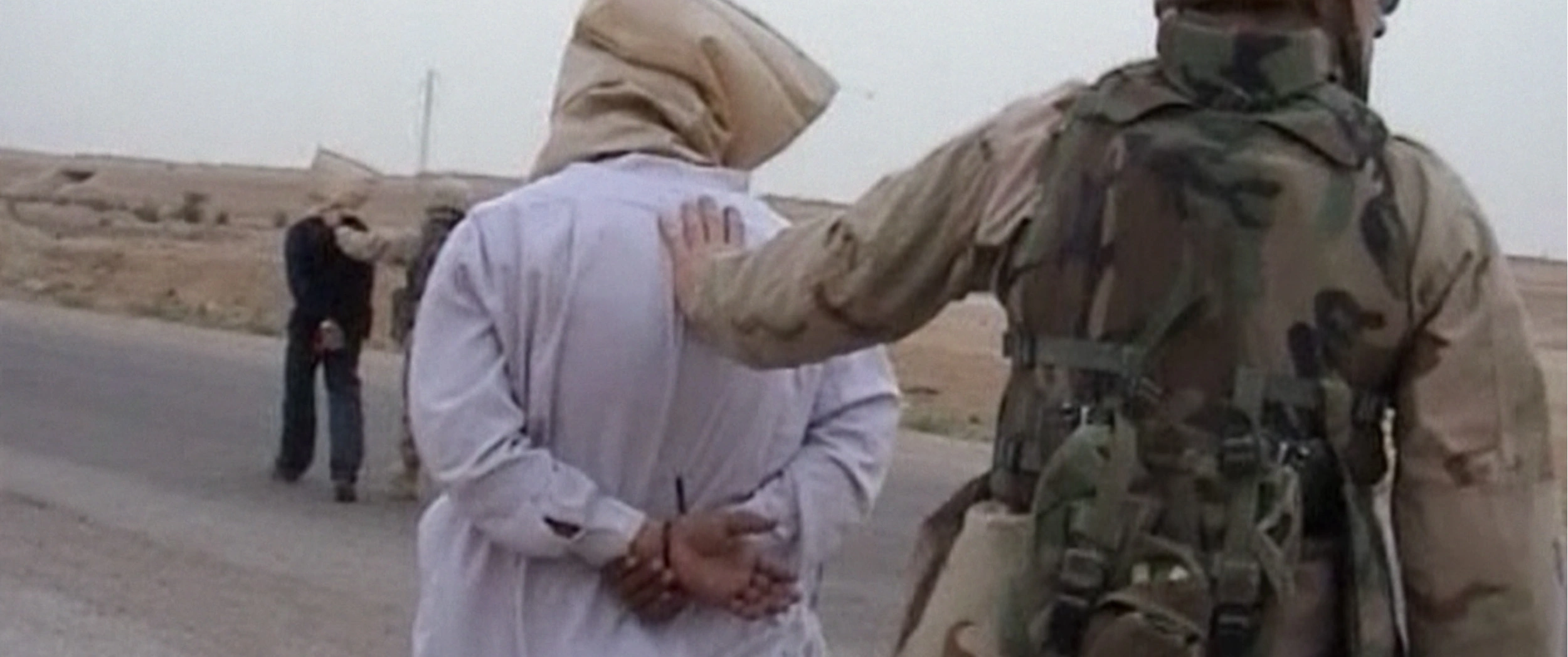
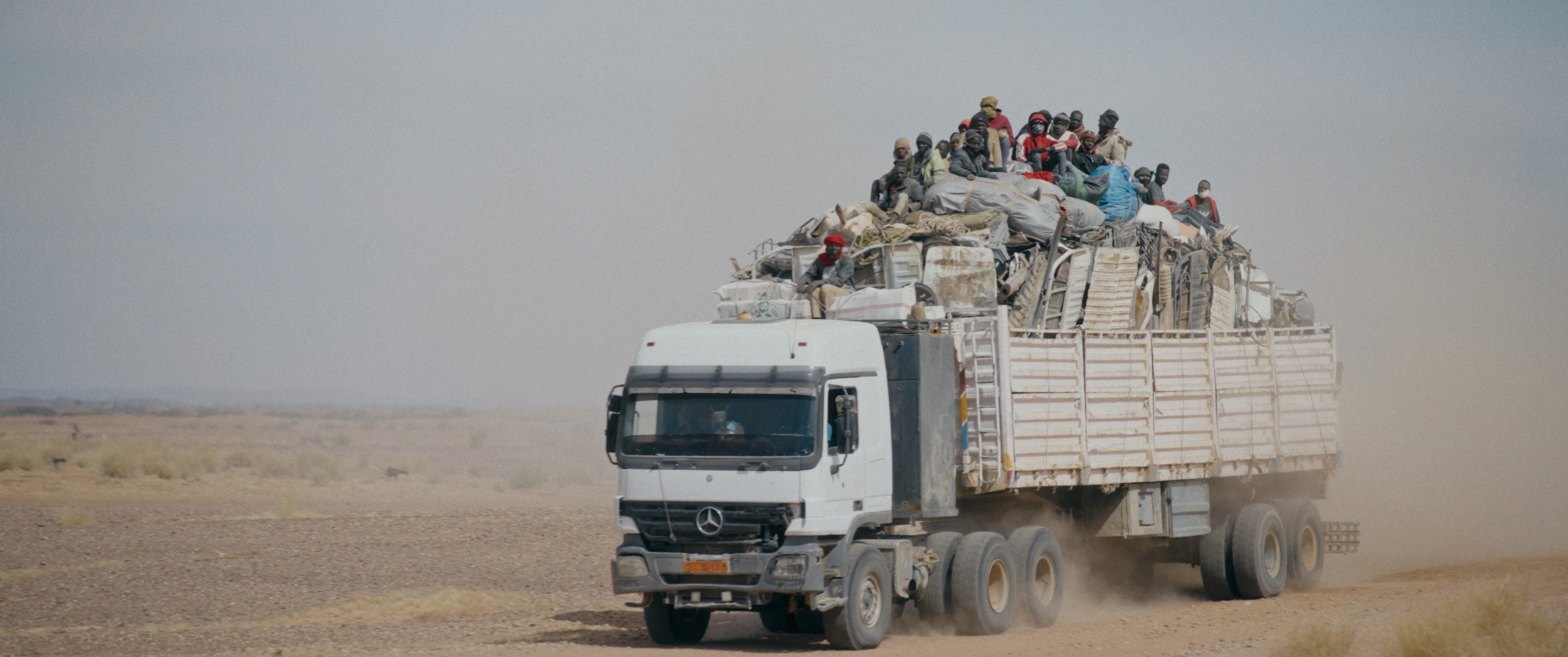
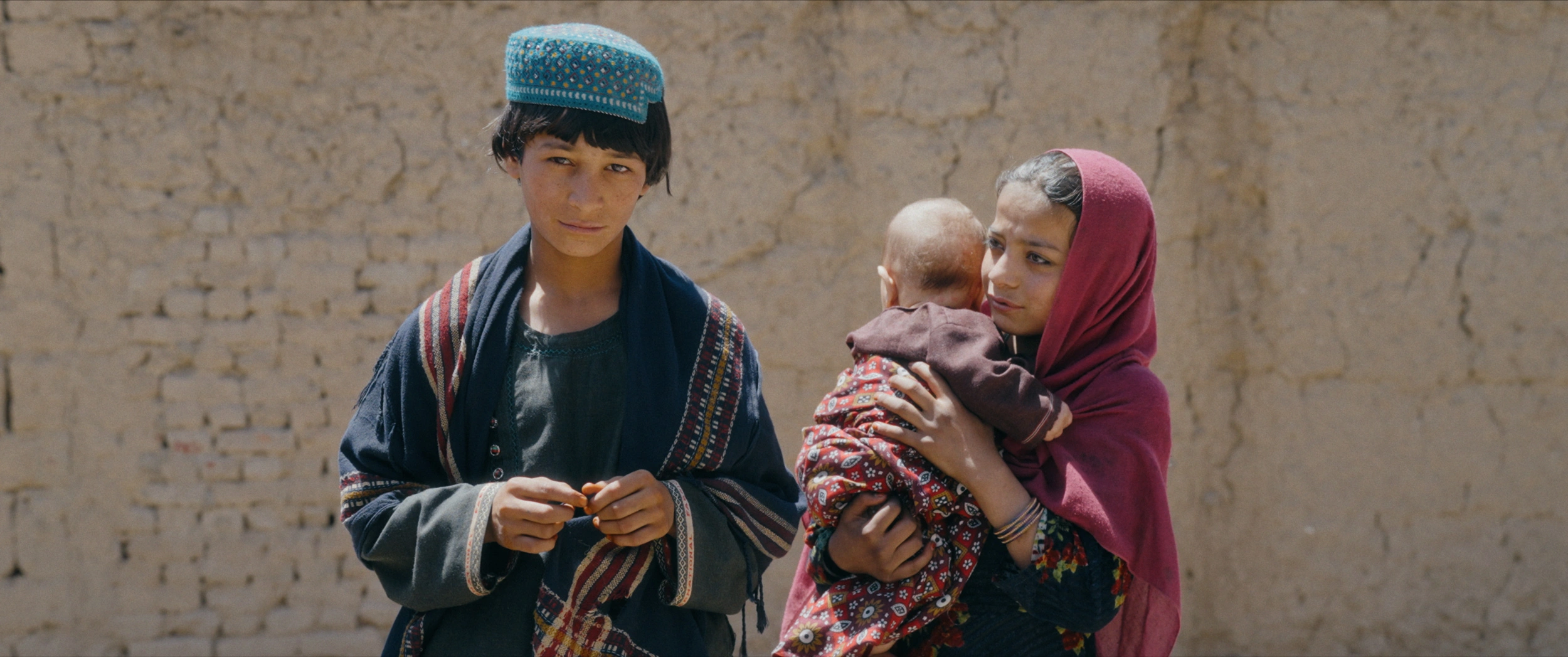
The Roots of Madness follows filmmaker Edgar Hagen and veteran reporter Ulrich Tilgner on a journey through Afghanistan, Iraq, Syria, and Niger to uncover how Western wars have fueled today’s refugee crises and rising extremism. By confronting the roots of displacement, the film challenges viewers to face the West’s own role in the chaos dividing its democracies.
Director’s Statement
For me, releasing this film at a time when disturbing developments threaten to undermine the value system of Western democracies is a deeply personal statement. Many people in the Western world see the migrants and refugees who are trying to flee to the West as the cause of this divisive and perilous process. I firmly believe we can only overcome the growing racism and political extremism in our countries if we endeavor to understand who these people are. That’s why I set out to gain a clear understanding of the ongoing humanitarian disaster migrants and refugees face at Europe’s fortified borders by capturing authentic images and voices from the areas of conflict they flee from, and by juxtaposing those voices with our Western values and the West’s political decisions.
The film traces the roots of flight and forced migration – and in doing so confronts us with the shocking truth of just how deeply involved we are in creating the very conflicts that are now dividing and disrupting the world around us. It depicts the repetitive patterns of conflict and spiraling violence that compel millions to flee.
Recognizing and accepting how deeply entangled the Western world is in this madness could be the transformative force that turns a major crisis into an opportunity, opening pathways to new solutions. It is my great hope that The Roots of Madness can do its part in triggering a dialogue that inspires policies that lead to a better future.
EDGAR HAGEN
About the Film
Filming Locations:
Switzerland: Schaffhausen, Basel
Afghanistan: Djalalabad, Kabul
Iraq: Sinjar Mountains / Baghdad / Sadr City / Fallujah / Abu Ghraib
Syria: Raqqa / Al Hasaka / Al Hol Prison Camp / Kobane
Niger: Agadez / Djalori / Boulongouyaskou / Bagara / Diffa
Greece: Polykastro
Serbia: Subotica / Horgos
Languages:
English, German, Pashto, Dari, Arabic, Kurdish, Kanuri, French
Feature Documentary, Switzerland, 2026, 107 min
DCI 4K Scope 2.39:1 / 5.1 surround Stereo